The Reason Most Second Raises Take Longer Than the First
Ask most operators what they expect from their second raise and the answer is usually some version of: easier and faster. They have a track record now. They know how to do it. The first raise taught them everything they needed to know.
Then the second raise takes 18 months.
This is one of the most consistent patterns in private capital, and it almost always surprises the operators it happens to. Understanding why it happens is the first step to avoiding it.
The first raise ran on personal relationships you have already spent
Your first raise was funded by people who trusted you personally before they trusted your track record. Family, friends, close professional contacts, people who had known you long enough to take a bet. That pool of capital is not infinite, and most of it gets deployed in the first raise.
By the second raise, you are reaching into a new pool of investors who do not have the same pre-existing relationship with you. They are evaluating you on your track record, your operation, and the quality of your current opportunity. The personal trust that carried you in round one is not transferable to people who have never met you.
Most operators underestimate how much of their first raise success came from that relationship capital, and therefore underestimate how much work the second raise will require to replace it.
There is no system to replace the hustle
First raises run on hustle. Calls, coffees, follow-ups, personal asks. That is fine for getting to a first close. But hustle does not scale, and it does not repeat efficiently.
The operators who close their second raises quickly are not hustling harder. They have a system: an investor CRM that tells them which leads to prioritize, an automated follow-up sequence for warm contacts, a portal that keeps investors engaged between conversations, and a communication cadence that has been running since Fund I closed. When Fund II launches, they are not starting from zero. They are activating a pipeline.
The operators who are still running on hustle in Fund II are rebuilding that pipeline manually, from scratch, at the same time they are trying to manage an active fund.
Hustle closes a first raise. Systems close every raise after that.
Existing investors are not automatically warm for the next deal
One of the most reliable sources of capital for a second raise is your existing investors from the first. They know you, they have seen how you operate, and if Fund I has performed, they have a reason to come back.
But this does not happen automatically. Investors who have not heard from you since their capital was deployed are not warm leads. They are people who gave you money and then experienced silence. Re-engaging them for Fund II requires rebuilding a relationship that should never have gone cold.
The operators who re-raise efficiently from existing investors are the ones who kept those investors engaged throughout Fund I: regular updates, clear reporting, a portal where performance is visible, and communication that made them feel like partners rather than passive capital sources.
The fix is building the system before Fund II launches
The gap between a second raise that closes in 60 days and one that drags for 18 months is almost always an infrastructure gap. The operators who build their investor CRM, communication cadence, and onboarding system after Fund I closes, rather than after Fund II stalls, consistently outperform.
The system does not need to be elaborate. It needs to be consistent. Regular investor updates. A portal that stays live. A database that tracks who is warm, who has expressed interest in future deals, and what their check size history looks like. When Fund II is ready, you are not starting the process. You are completing it.
AxisKey is the infrastructure that turns a first raise into a repeatable capital platform.
The Latest
Why Accredited Investors Are Choosing Income Over Appreciation
Steve of Solaris on why monthly income beats traditional real estate returns.

Institutional Operators Don't Manage Investors. Their Systems Do
The operational playbook for sponsors who want to scale retail capital.

Why Institutional Operators Are Building Perpetual Capital Platforms
Operators are moving away from deal-by-deal fundraising, and you should be too.
Why Miami’s Wealth Migration Is Reshaping US Real Estate Markets
The Deal Flow with Arthur Weissman — Craig Studnicki, Founder & CEO of ISG
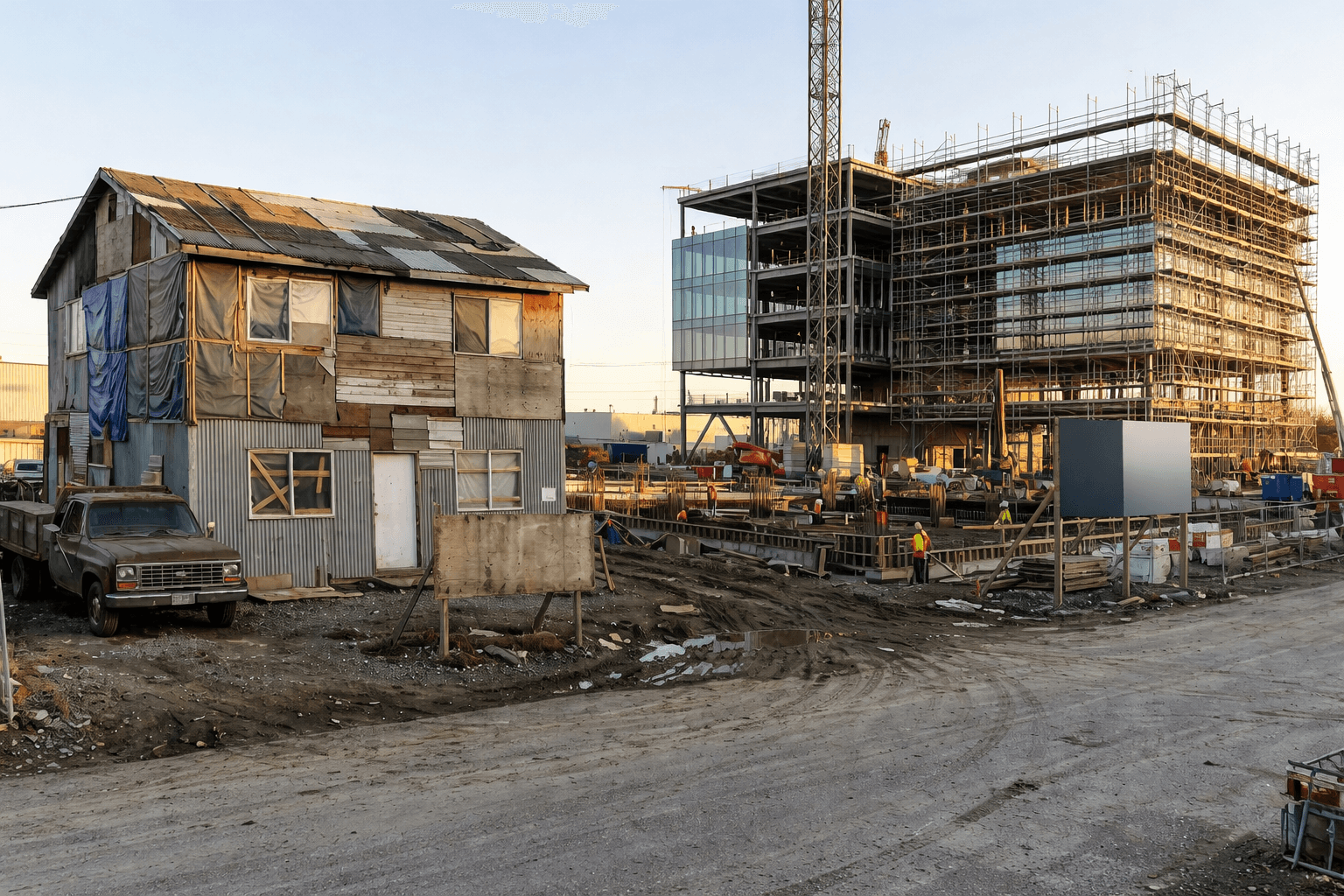
The Reason Most Second Raises Take Longer Than the First
Great deals stall without great process. Here's what investors actually evaluate.